My Hardware
Disclaimer: I am not sponsored by any of the companies who manufactured any of these products,
nor are any of the links to product pages affiliate links.
Networking Equipment
My router and wireless access point is a Unifi Dream Machine made by Ubiquiti. The user interface is really nice which helped me learn some basic networking concepts. If I could go back I would build my own router with pfsense.
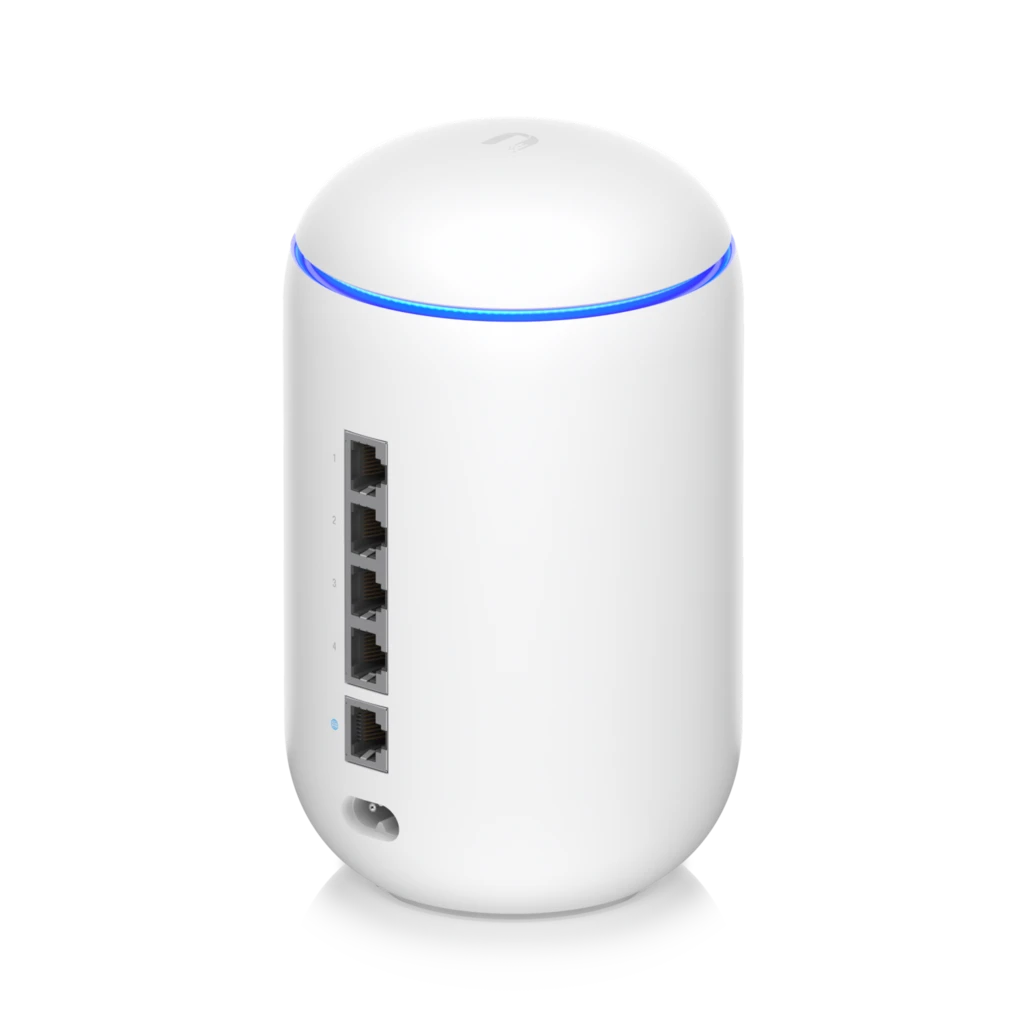
Unifi Dream Machine
One of my switches on my network is the Unifi Switch 8 (60W). I use Power Over Ethernet to power the smaller Flex-mini switch.
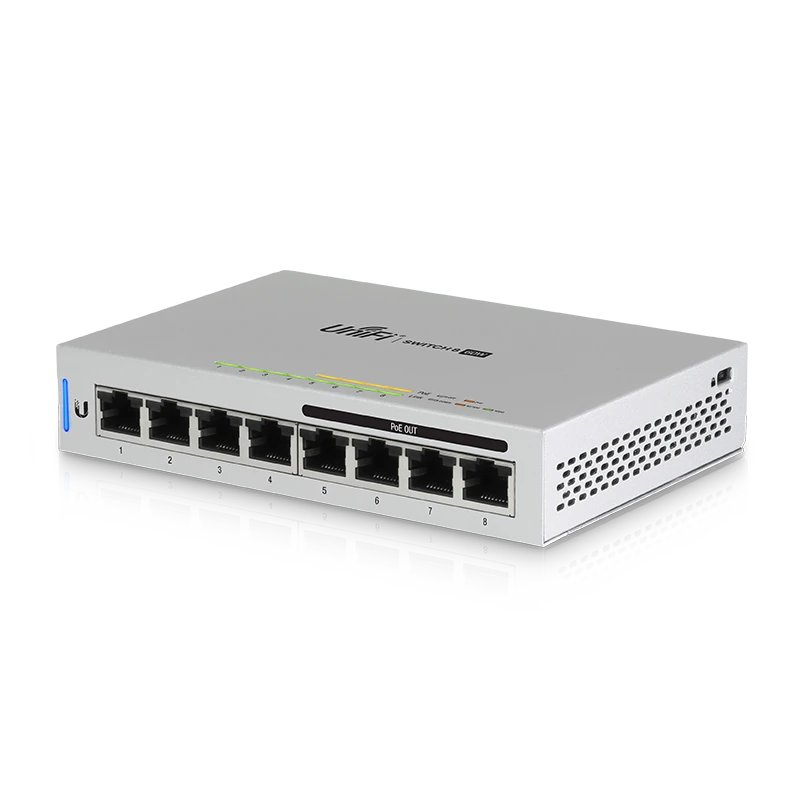
Unifi POE Switch 8 (60W)
I use this awesome Unifi Switch Flex Mini switch for extra connectivity. It's powered by Power over Ethernet from the POE Switch 8 which is nice since it's one less cable I need to worry about.
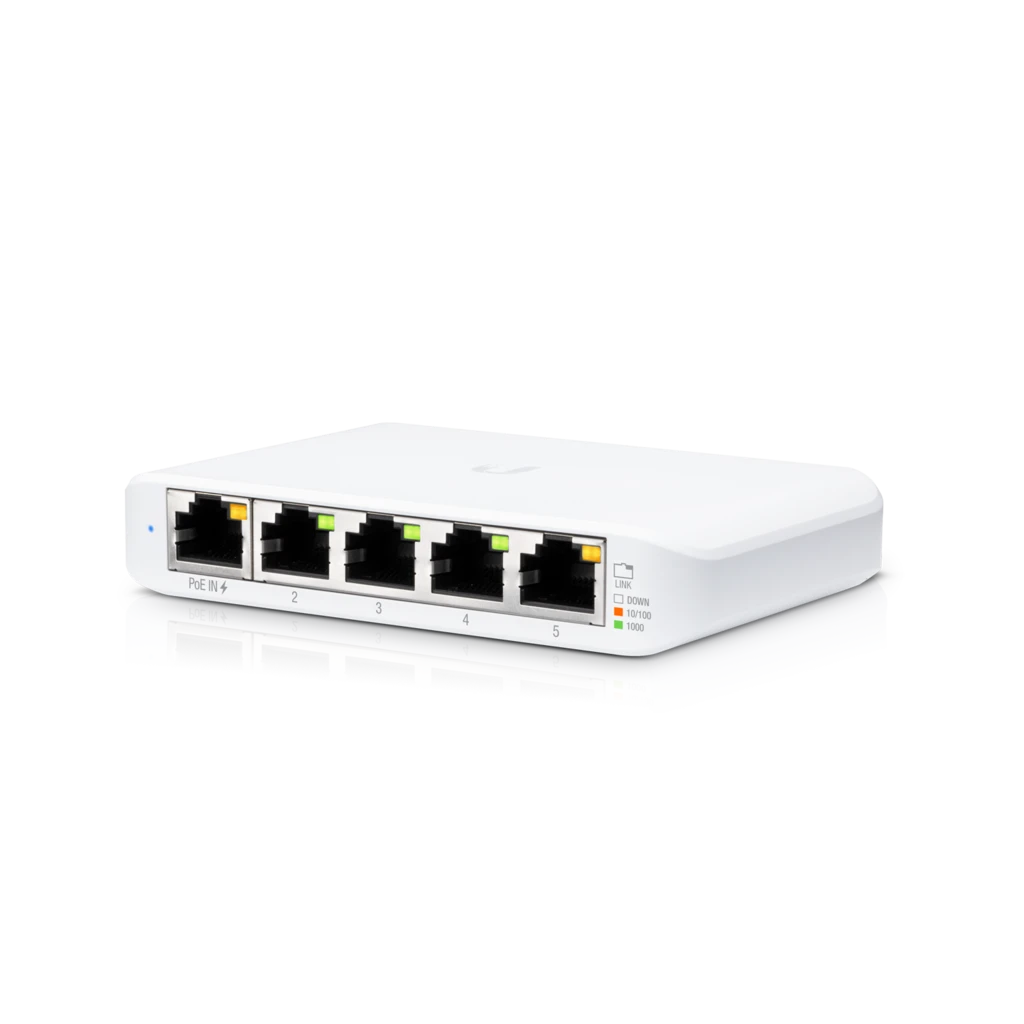
Unifi Switch Flex Mini
Server Hardware
The server that does the most work in my network is definitely my Raspberry Pi 4b. It hosts the most services, and they all run in Docker containers with the exception of WireGuard®.
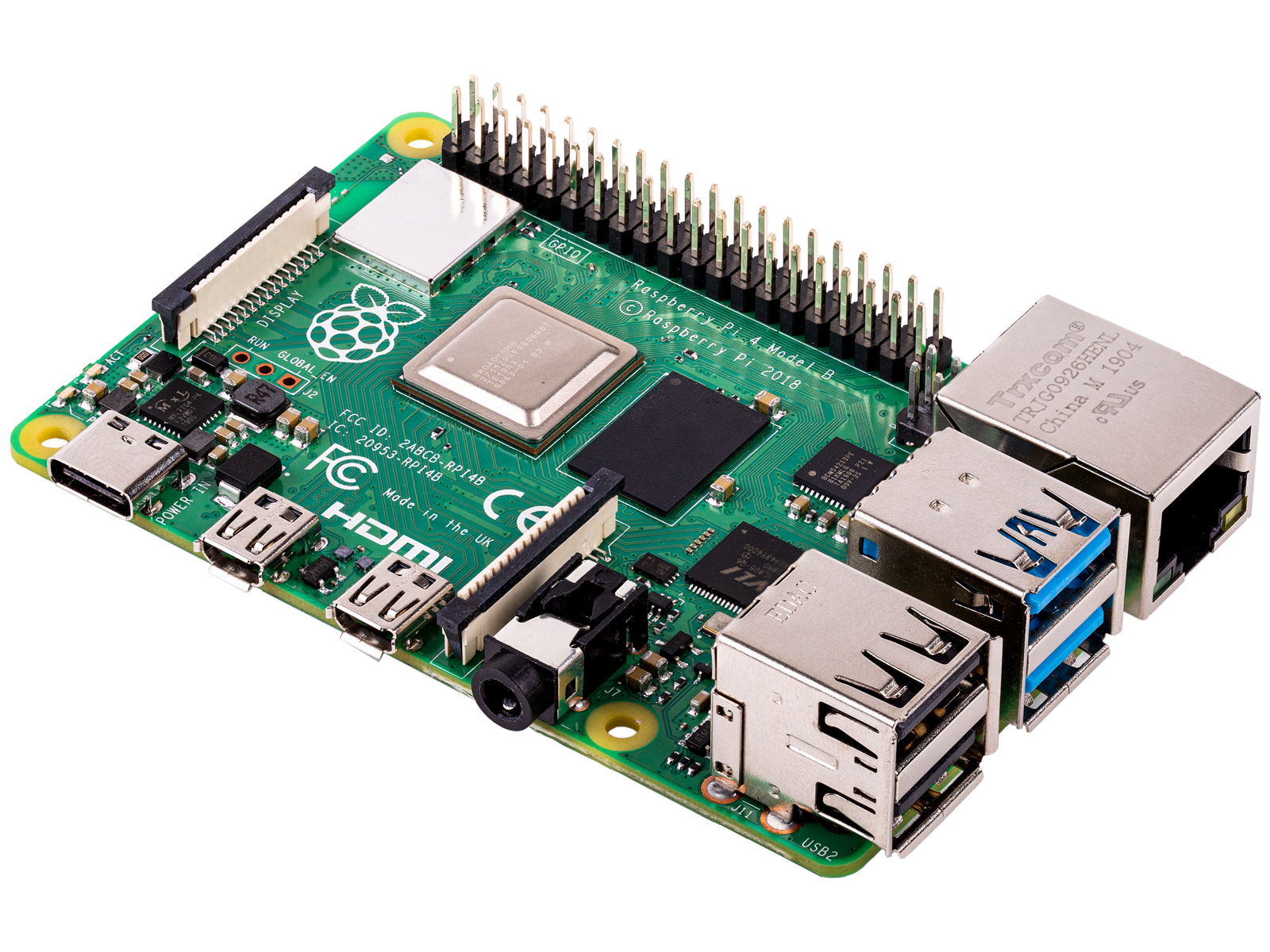
Raspberry Pi 4b
My next most used server is my Synology DS418 Play. This particular model isn't sold anymore. I also upgraded the RAM with 4 extra Gigabytes. If I could go back, I would have purchased a refurbished Dell PowerEdge server instead, and configured it with Proxmox.
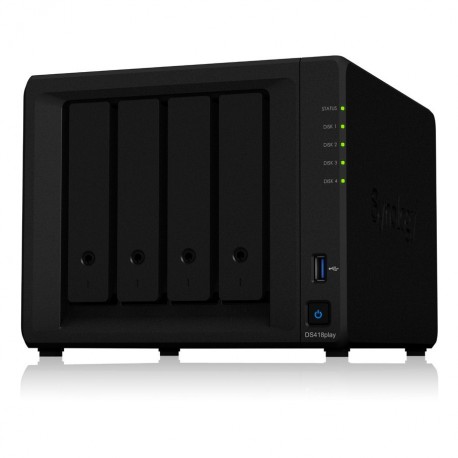
Synology DS418 Play
I have 2 Raspberry Pi 3s laying around as well. Currently they are not in use but I plan to implement them in my network using Kubernetes.
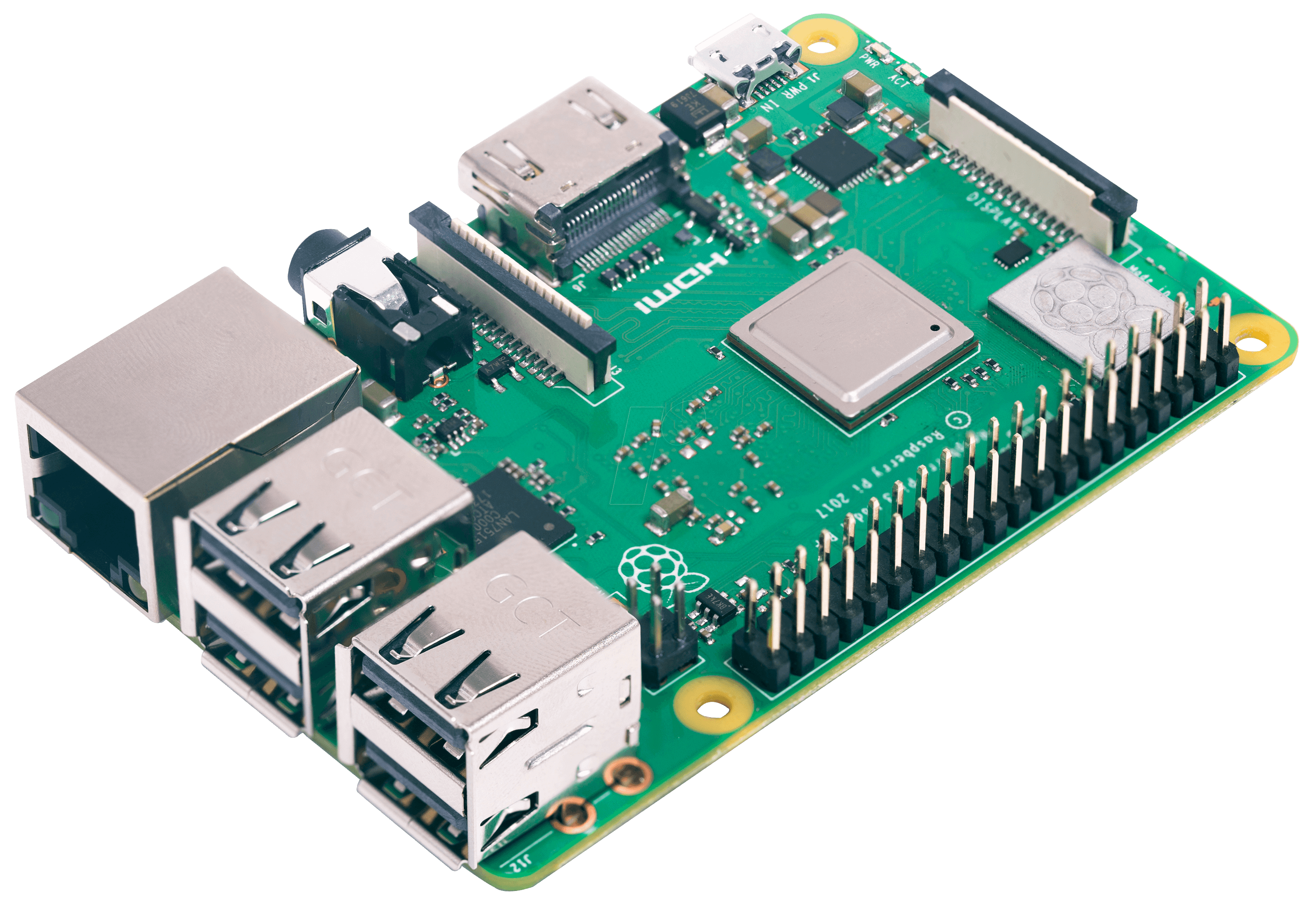
Raspberry Pi 3
My Dell Inspiron 620s is an old desktop I used in high school, that I've installed Fedora Server on. This server is also not connected to my network at the moment, but I plan on using it as a CoreDNS server in my K8s cluster.
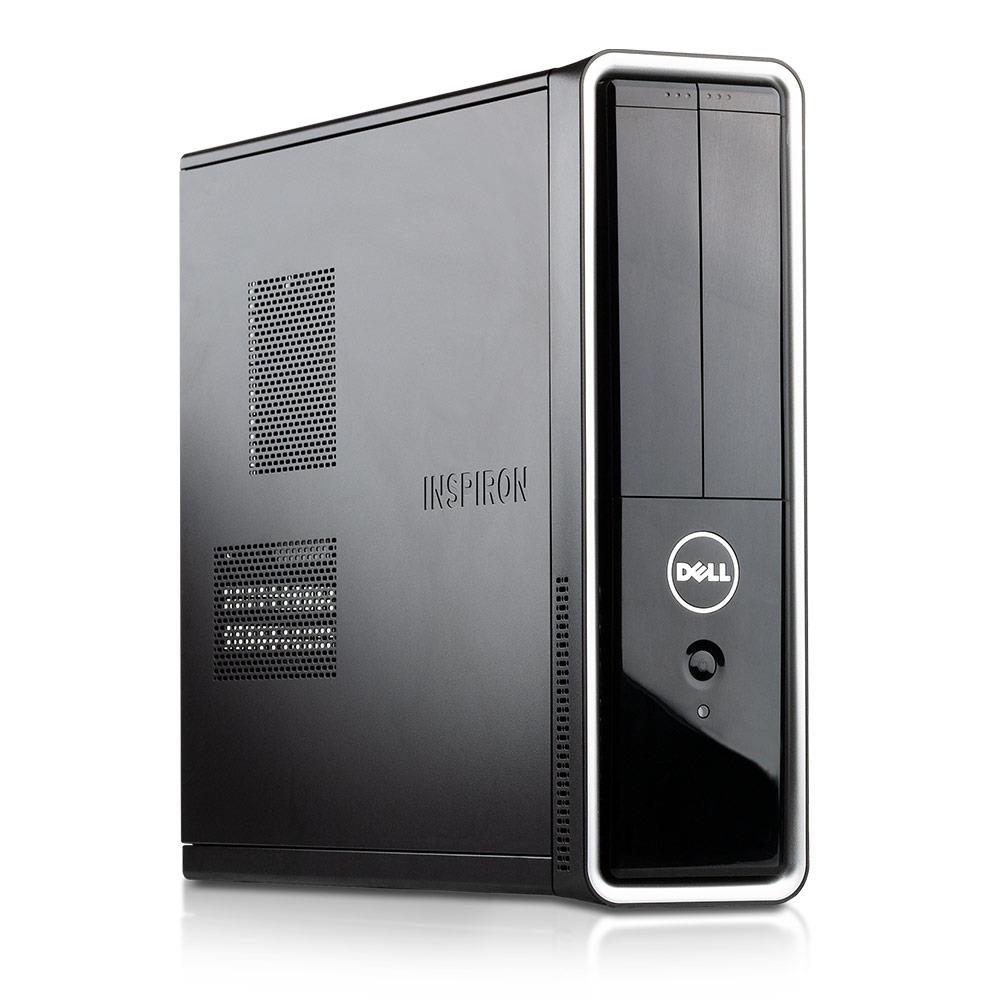
Dell Inspiron 620s
Personal Computers
My laptop is a Dell XPS 13 running Arch Linux.
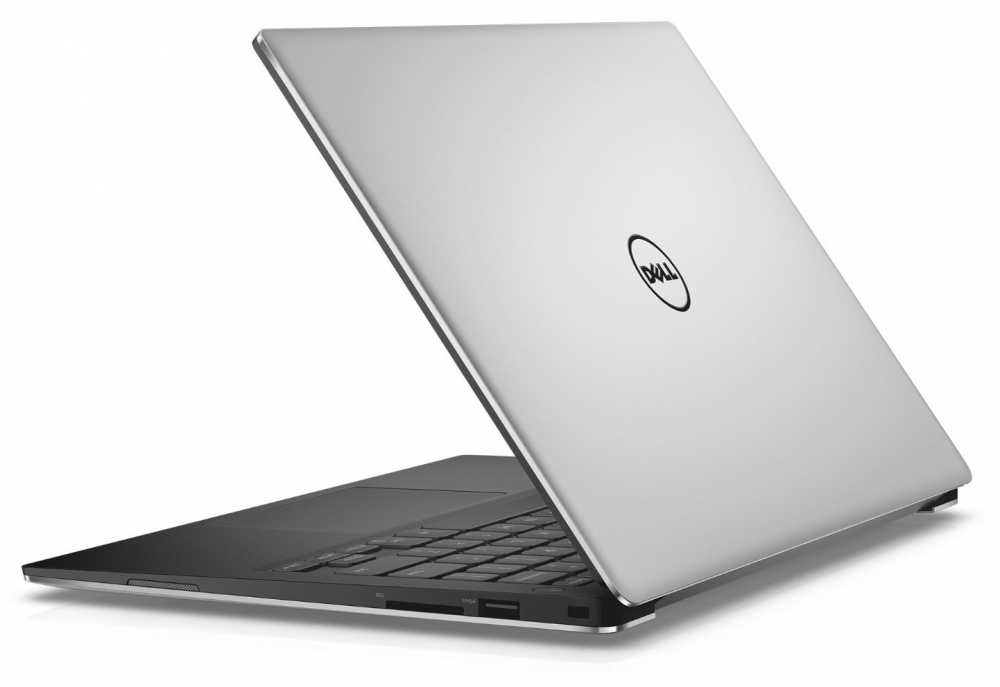
Dell XPS 13
I built my desktop computer (not pictured) for gaming in the winter of 2017. It's dual booted with Windows 10 and Fedora Workstation.
Component list:
- EVGA GTX 1080ti
- Intel i7 7700k
- 32Gb Corsair Vengeance DDR4 RAM
- Coolermaster Hyper 212 CPU cooler
- Asus Z270 Prime Motherboard
- WD Blue 2TB Hard Drive
- 512GB Samsung 850 Pro
- 500GB Samsung 970 Pro